Table of Contents
As a social media manager, you need a system that gets results without the burnout. Forget generic advice and the daily content scramble. This guide provides actionable social media manager tips to help you build an efficient, repeatable workflow.
Success means saving hours each week by turning one piece of content into a month's worth of posts, automating repetitive tasks, and consistently hitting your growth goals.
This guide will show you how to:
- Build a content repurposing system
- Use data to schedule posts for max engagement
- Create a video-first strategy that algorithms love
- Engage your community in a structured way
1. Build a Content Repurposing System
Instead of creating new content daily, the most effective social media managers repurpose one "pillar" piece of content—like a podcast or webinar—into dozens of smaller assets.
This system saves time, ensures consistency, and keeps your content calendar full without the daily stress. It's the most foundational of all social media manager tips for working smarter.
How to Implement a Repurposing System:
- Create Your Pillar Content: Record one long-form video or podcast that can be broken down into multiple smaller ideas.
- Generate Clips with AI: Use Flowjin, an AI tool for busy marketers, to automatically find the most engaging moments in your long-form content and turn them into ready-to-post short videos.
- Repurpose into Multiple Formats: A single clip from Flowjin can become a Reel, a TikTok, a LinkedIn post with unique copy, and a quote graphic.
- Schedule in Batches: Dedicate one block of time to schedule all repurposed assets for the upcoming weeks.
With this system, one high-effort recording session fuels a month's worth of diverse, platform-native content. Explore the AI workflow every marketer needs to batch-create content on Flowjin.com for a step-by-step guide.
2. Use Analytics to Drive Your Content Calendar
Stop guessing when to post. Use data from your social media accounts to determine the best times, content types, and frequency for each channel.
This moves your strategy from randomly publishing content to delivering it precisely when your audience is most likely to engage.
How to Build a Data-Driven Calendar:
- Find Your Peak Times: Use native analytics (like Instagram Insights) to identify the days and hours your followers are most active.
- Analyze by Content Type: Don't assume videos and images perform the same. Check the data to see if Reels do best in the evening while carousels perform better in the morning.
- Use a Scheduling Tool: A scheduling tool helps you visualize your calendar and automatically publish content at these optimal times. See our guide to the best social media scheduling tools on Flowjin.com.
- Review and Adjust Monthly: Audience habits change. Spend 30 minutes each month reviewing your analytics and tweaking your schedule accordingly.
3. Customize Copy for Each Platform
Posting the exact same message across all platforms is a common mistake that hurts engagement. Tailor your copy, hashtags, and calls-to-action (CTAs) for each network.
LinkedIn requires a professional, value-driven tone. TikTok and Instagram prefer a conversational, first-person narrative. X (formerly Twitter) needs to be punchy and concise.
How to Customize Copy Efficiently:
- Adapt Tone and Length: Write longer, detailed posts for LinkedIn and Facebook. Keep it short and engaging for Instagram, X, and TikTok.
- Vary Your Hashtag Strategy: Use 3-5 professional hashtags on LinkedIn. Use a mix of 15-30 broad and niche tags on Instagram. Use 2-3 relevant tags on X.
- Automate the First Draft: Writing unique copy for 5 platforms is slow. When you generate video clips with Flowjin, its AI automatically writes platform-specific titles, descriptions, and hashtags for each one. You get a customized first draft you can quickly edit.
4. Adopt a Video-First Content Strategy
Short-form video is essential for growth. A video-first strategy means you prioritize creating vertical clips (15-90 seconds) for platforms like Instagram Reels, TikTok, and YouTube Shorts.
Algorithms on these platforms heavily favor video, giving it more reach than static images or text posts.

How to Implement a Video-First Strategy:
- Repurpose Long-Form Content: Your best source for video clips is existing content. Don't start from scratch.
- Upload your long video or podcast: Provide a YouTube link, an audio file, or a video file.
- Let AI find the best moments: Flowjin's AI identifies key topics and engaging segments.
- Get ready-to-post clips: Flowjin delivers short video clips with animated captions, your brand logo, and B-roll visuals.
- Optimize for Silent Viewing: Ensure all your videos have clear, easy-to-read captions, as over 85% of social video is watched without sound.
- Set Response Goals: Aim to reply to all comments within a few hours. A 24-hour response time should be your minimum standard.
- Schedule Engagement Blocks: Dedicate two 15-minute blocks each day—one in the morning, one in the afternoon—to reply to all comments and messages.
- Ask Questions: When replying, always ask a follow-up question to encourage more conversation. This boosts engagement metrics.
- Automate Where Possible: For high-volume accounts, consider tools for automating Instagram direct messages for comments to start conversations instantly. For deeper engagement, a dedicated community manager can make a huge impact.
- Create a Simple Style Guide: A one-page document with your brand colors, fonts, and tone of voice is enough to keep everyone aligned.
- Use Templates: Design a few core templates for your most common post types (e.g., quote graphics, video clips, carousels).
- Automate Brand Application: Manually adding logos and brand colors to every video is tedious. In Flowjin, you can set up a brand kit once, and it will automatically apply your logo, fonts, and color scheme to every video clip it generates.
- Identify Your Top 3 Posts: In a simple spreadsheet, list your top 3 performing posts from the past week. Note the topic, format, and posting time.
- Identify Your Bottom 3 Posts: Do the same for your worst-performing posts.
- Look for Patterns: What do the top posts have in common? What do the bottom posts have in common?
- Set One Action Item: Based on your findings, create one simple goal for the next week. (e.g., "Post one more Reel about [Topic X]" or "Avoid posting text-only updates on LinkedIn.").
- Use a Shared Content Calendar: Tools like Asana, Monday.com, or Trello help everyone see what's planned and what stage each piece of content is in.
- Define a Clear Approval Process: Create a simple checklist for each post: 1. Drafted -> 2. Reviewed -> 3. Approved -> 4. Scheduled.
- Automate Content Generation: The biggest bottleneck is often the manual process of creating and editing content. By using a tool like Flowjin to automatically generate clips and copy, you can consolidate the work of a videographer, editor, and copywriter into a single, automated step.
- Monitor Trends Daily: Spend 10 minutes each morning checking the "Trending" tabs on TikTok, Instagram, and X (formerly Twitter).
- Create a Fast-Track Approval Process: For trend-based content, you need a way to get approval in minutes, not days. Designate one person who can give a quick yes or no.
- Adapt, Don't Just Copy: Find a way to connect the trend back to your brand's message or value. Don't force it if it doesn't fit.
- Balance with Planned Content: Aim for an 80/20 mix: 80% of your content should be planned, evergreen material, while 20% can be reserved for spontaneous, trend-based posts.
- Generate Video Clips with Flowjin: Upload your audio file to Flowjin. The AI will transcribe it and generate short video clips (audiograms) with animated captions and a progress bar, perfect for sharing on social media.
- Create Quote Graphics: Pull 5-10 powerful quotes from the episode and turn them into branded images.
- Write Text-Based Summaries: Create 3-5 LinkedIn or Facebook posts summarizing the key takeaways from the episode.
- Publish the Transcript: Post the full transcript as a blog post to capture SEO traffic and make your content more accessible.
- Identify Your Biggest Time Sink: Is it creating new content every day? Is it writing copy from scratch?
- Choose One Tip to Implement: If content creation is your challenge, focus on building a repurposing system with Flowjin. If your engagement is low, focus on the community management framework.
- Create a Simple Checklist: Turn the chosen tip into a repeatable process. This transforms a complex idea into a simple task you can do every week.
This approach aligns your content with what both users and platforms want, maximizing your reach.
5. Systematize Community Engagement
Social media is a two-way conversation. Building a community requires you to actively respond to comments and messages in a timely and structured way.
A simple framework ensures you never miss an opportunity to build a relationship, which boosts loyalty and tells the algorithm your content is valuable.
How to Create an Engagement Framework:
6. Maintain Brand Consistency
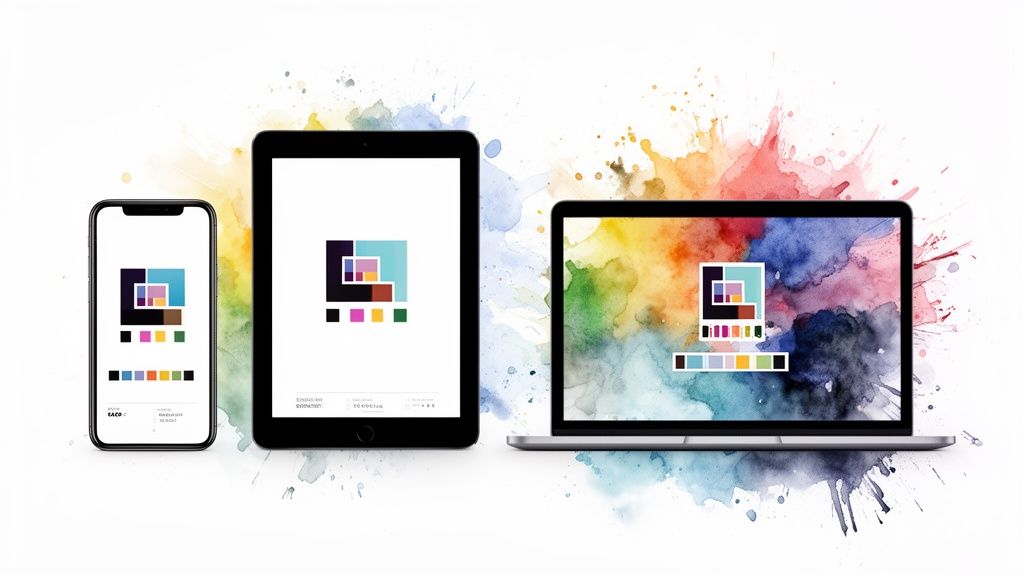
Your brand should be instantly recognizable on every platform. This requires consistent use of your brand's voice, colors, logos, and fonts.
While the content format changes, the brand personality should remain the same. This builds trust and makes your content feel cohesive and professional.
How to Ensure Brand Consistency:
7. Conduct Weekly Performance Audits
To improve your strategy, you need to know what's working and what isn't. A quick weekly review helps you make smart, data-informed decisions.
Stop guessing and start using real performance data to guide your content choices.
How to Run a Weekly Audit (in 15 minutes):
8. Automate Your Workflow with Collaboration Tools
As your social media efforts grow, you need tools to keep your team organized. A centralized workflow prevents miscommunication, missed deadlines, and off-brand posts.
The goal is to create a single source of truth for your entire content pipeline, from ideation to approval to scheduling.
How to Build a Collaborative Workflow:
9. Leverage Trends with a Rapid Response System
Jumping on trending topics, sounds, or memes can give your content a massive organic reach boost. But you have to be fast.
A trend jacking strategy involves monitoring what's current and quickly creating on-brand content that taps into the conversation.
How to Implement a Trend Jacking Strategy:
10. Repurpose Podcasts and Long-Form Audio
Your podcasts and webinars are content goldmines. Don't let them sit unused after the initial broadcast. Systematically breaking down audio into social media assets expands your reach and maximizes the ROI on your production effort.
You can turn a single one-hour podcast into dozens of clips, quote graphics, and text posts that can fuel your calendar for weeks.
How to Repurpose Audio Content:
Quick Comparison: Top Social Media Manager Tips
Put These Tips Into Action Today
You now have a playbook of actionable social media manager tips designed to build a smarter, more effective workflow. The key is to stop working reactively and start building systems.
Don't try to implement everything at once. Choose one tip that solves your biggest bottleneck and master it.
By transforming these insights into a structured workflow, you’re not just managing social media—you are building a powerful engine for brand growth.
Ready to build a content machine that runs on autopilot? The most powerful social media manager tips focus on leverage, and nothing offers more leverage than repurposing. Flowjin is an AI-powered platform designed for busy marketers to turn a single long-form video or podcast into dozens of platform-ready short clips, complete with branded templates and optimized copy. Start transforming your best content into a consistent stream of social media assets today.